Last year, I wrote this blog post about the great potential of big data to drive innovation in healthcare. With the rapid progress organizations are making with their population health strategies, I thought it would be a good time to revisit this topic because of its importance to the industry. To be honest, healthcare organizations are still in the early adoption phases of big data. Only a few organizations are dealing with petabytes of data, which is typically the threshold people think of when it comes to big data. However, I do see significant progress. Big data is in the process of transitioning from a research-oriented activity to a main stream agenda item that enables multiple population health scenarios. Let’s explore why.
Population health is driving the data explosion
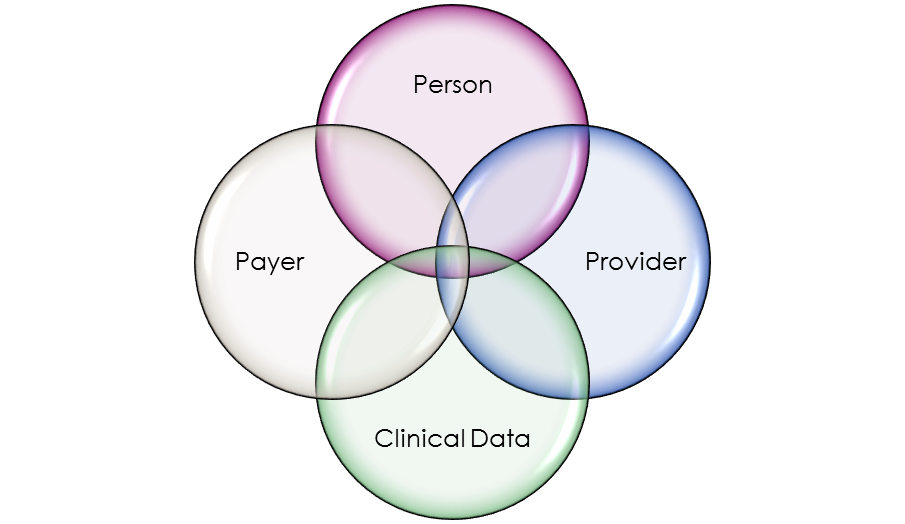
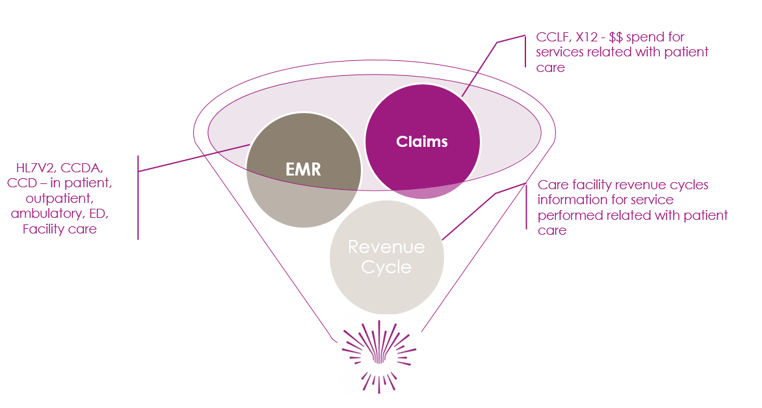
Whether healthcare organizations are ready for big data or not, many are faced with exploding amounts of data at their disposal as they embark on new population health strategies. Within a single health system, it is not unusual to have several hundred IT systems and applications in the portfolio, and to have 50-75 that are actually exchanging data. Population health often requires a better understanding of your patient population, utilization, costs, quality, and chronic conditions across multiple systems and or with many partner organizations. This likely involves extending beyond your EMR to other disparate EMRs and IT systems outside your enterprise. Therefore, one needs to aggregate, normalize and share clinical, operational and financial data from many IT systems across the community—including EMRs, billing systems, payers, pharmacy systems, labs, and HIEs. Also consider that today, most of the data sets in the industry tend to be structured. We are now beginning to see early use of unstructured data (i.e. clinician notes), which can contain highly valuable patient information (e.g. ejection fraction for patients with congestive heart failure). Additionally, I see increasing interest in other new data sets such as consumer, genomic, demographic and social data (e.g. fitness devices, purchasing history, Twitter, Facebook) integrated into scenarios for population health. There is no end in sight for the growth of data in healthcare, which I find incredibly exciting because of the ability to draw new value from it.
The mechanics of big data are being established
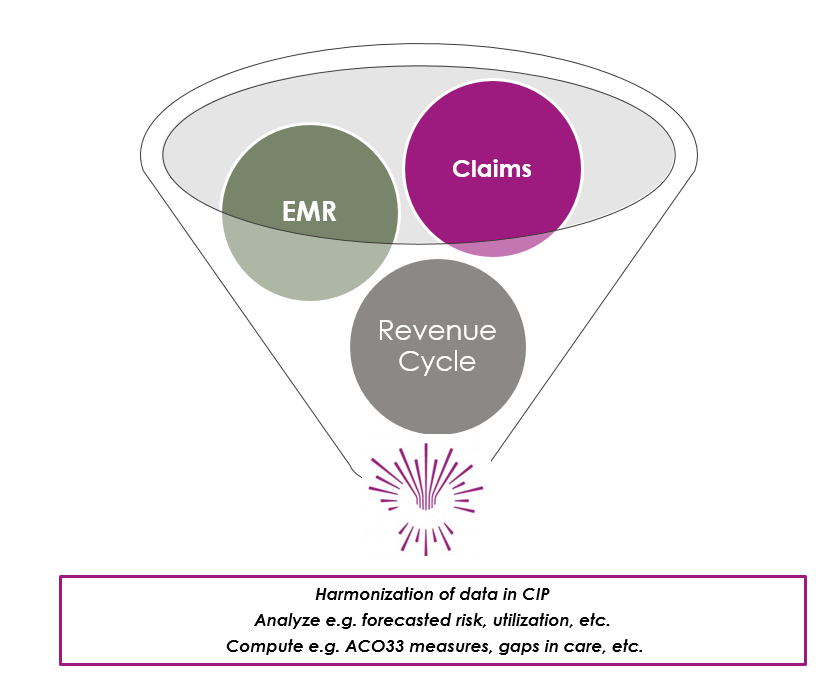
In order to realize the full value of their data, organizations have been establishing the mechanics of how that data needs to be aggregated, transformed and stored. It’s important to have the right population health data platform in place that can automate numerous processes, or else big data efforts can struggle to get off the ground. Healthcare organizations leading the way in big data have been adopting data platforms for healthcare that have the following capabilities:
- Automated data ingestion from any originating source in any format in real-time that has existing pre-defined configurations or parsers for a variety of data formats, e.g. HL7, CCD and CCLF, and unstructured.
- Automated transformation of data regardless if data is in different terminology code sets or structures that includes semantic mapping for code conversion and pre-built tooling that facilitates normalization and deduping of data from pre-defined and custom sources.
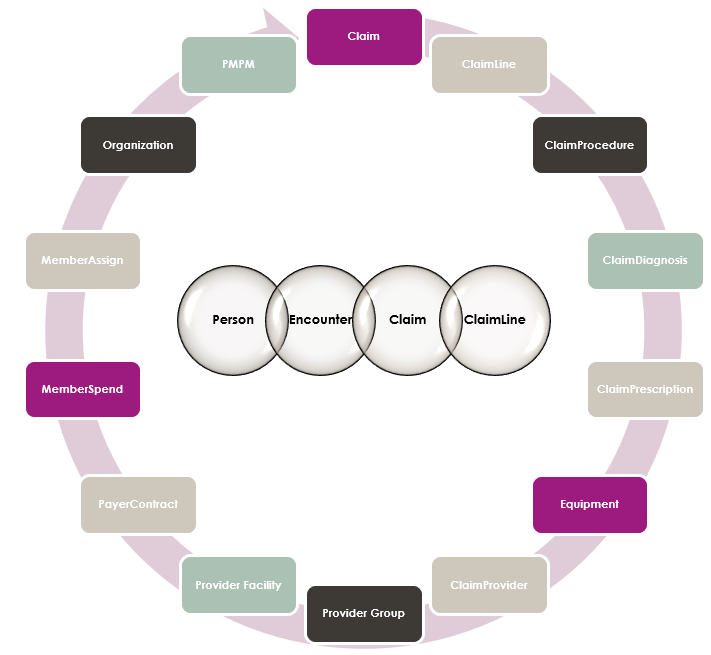
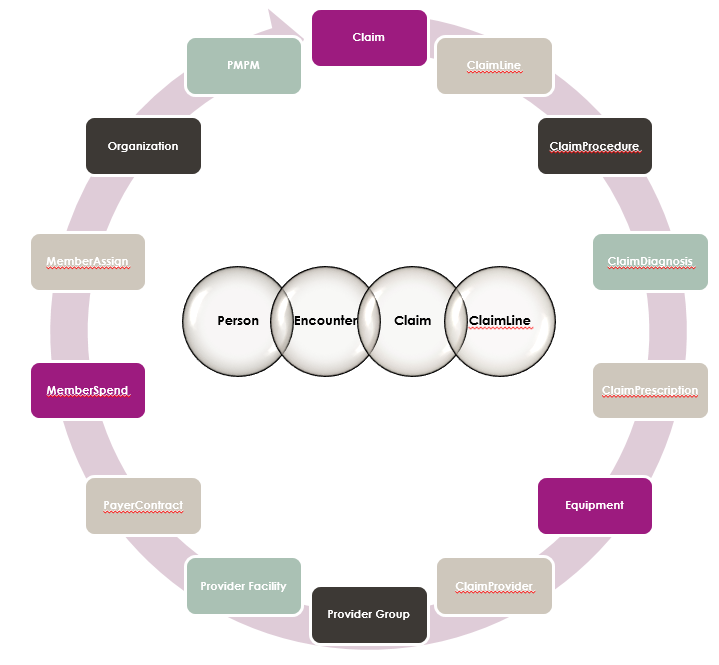
- Automated modeling of data that uses pre-defined healthcare entities that can accommodate most clinical and claims data as well as custom entities to accommodate customer-specific data.
- Open data sharing APIs that provide untethered read and write access with source systems and the ability to share data with analytics and self-service reporting solutions.
- Role-based security with auditing.
Initial population health scenarios are being explored
The scenarios for big data are limitless and I believe that one day they will expand to untapped data sources such as social media, consumer purchasing, and even things like smart clothing. Until that day arrives, big data can still have a significant impact on how you manage a population at an aggregate as well an individual level. Here are a few initial scenarios that organizations are already exploring today:
- Build and share a true longitudinal patient record to see all relevant patient data (e.g. labs, pharmacy, claims, analytics) that covers the full continuum of care.
- Employ predictive models (i.e. risk stratification), which are especially effective with large data sets so that you can focus your resources where they will have the greatest impact.
- Expand the scope of your analytics to new areas such as measuring the quality and financial performance of individual clinicians as well as overall organizational financial and utilization analytics.
It’s fantastic to see that healthcare is innovating through big data and population health. The organizations that have built their infrastructure strategically should be in great position to keep refining what they’re doing today while scaling and building new use cases. If you’d like to discuss how Caradigm can help with your big data strategies, then leave us a note here.