Category Archives: Population Health

The Rise of Clinically Integrated Networks and Population Health Management


Post by Scott McLeod


Director of Product Marketing, Caradigm

A notable healthcare trend is the rapid rise of Clinically Integrated Networks (CINs) in accountable care. Children’s Health System of Texas just announced its new system structure as a clinically integrated pediatric health system. Ascension Health and CHE Trinity Health recently announced a clinical integration partnership that has the potential to reach three-quarters of patients in Michigan. EvergreenHealth also launched the first CIN in the Puget Sound region earlier this year.

The growth in CINs is being driven by the shift to value-based reimbursement. Payers and employers favor providers that can deliver high-quality care in an efficient manner, and clinical integration enables collaboration among independent providers to meet that requirement. These independent physicians, hospitals and other providers now share responsibility for the care of patients across the community, and must share patient information to fulfill that responsibility.

Enter population health management as a new solution to help with the coordination, collaboration, and measurement of quality among a community’s providers. Although CINs have typically invested in an electronic medical records system (EMRs), they are still unable to manage the health of populations because EMRs are usually designed for only single-patient interactions. Accountable care and value-based reimbursement demand systems that manage health across populations outside of episodic care in clinical settings. Organizations need comprehensive health histories and need information at the point-of-care to help make better clinical decisions.

As CINs mature and evolve, their story ultimately leads to population health management. To learn more about this topic, sign up for our whitepaper entitled ‘Clinically Integrated Networks and Population Health: Taking the Next Step’.

Innovations in Population Health Management – a discussion at iHT2


Post by Michael Simpson


Chief Executive Officer, Caradigm

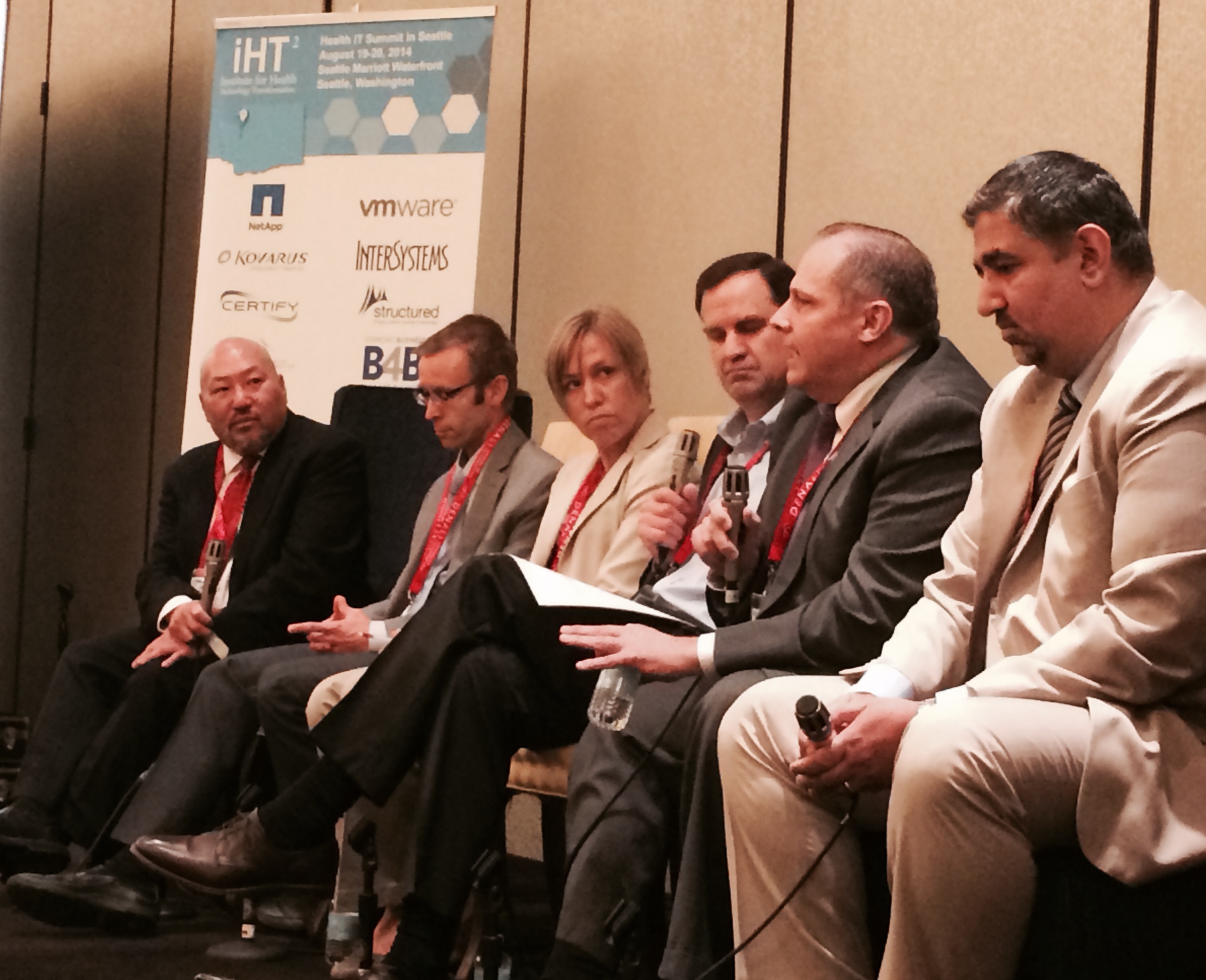
I had the pleasure of participating on a population health panel at an IHT2 conference held recently in Seattle.

As you’d expect, moderator Mark Hagland, Editor-in-Chief of Healthcare Informatics, drew on a variety of perspectives – primary care, public health, IT – from a variety of healthcare providers and vendors – to discuss what’s happening in population health management today and where we’re headed.

Some of the key Population Health points covered were:

  • Moving from episodic, single-patient care to managing the health of populations represents a seismic shift that will require many years and tremendous patience to achieve, despite widespread industry commitment and focus. It’s going to take many years, for example, for physicians to change their way of thinking from operating as individual problem solvers to serving as members of a broader care team. They’ll need evidence that team-based care works.
  • The ongoing debate about the pros and cons of electronic medical records underscores the need to significantly streamline clinician workflows and deliver IT solutions that work in a practical way. While a paper-based system might not measure up in terms of data quality, it’s a highly efficient way of capturing information. We need to find a way to maintain that level of efficiency with technology while improving data capture and quality.
  • Success in population health requires looking holistically at the lives of patients and populations – factoring in their social, economic and physical environments, not just clinical data. Time spent between a patient and a doctor in a clinic or hospital is extremely limited. The vast majority of what impacts a patient’s health happens elsewhere. We need to put the patient at the center, engage the patient in his/her care through creative approaches and incentives like games or competitions, and establish a comprehensive community health record, not just a personal health record or EMR. We need to make that community health record easily accessible by the entire care team, including the pharmacist, the behavioral health specialist, the care manager, the primary care provider, and equally important, the patient.
  • To make progress in population health management, healthcare organizations need to start small, focus on making an impact in a discrete area, and expand on that success. For example, a provider in Canada began their population health efforts by focusing on HIV-positive individuals. They set up one central resource to identify all treatment associated with HIV patients, connected databases, and proactively tracked when patients were diagnosed, how quickly they were linked to care, when they were put on Antiretroviral Drugs, etc., and helped them with housing needs. Their approach can serve as an effective blueprint for managing the health of other populations.
  • Success in population health begins with collecting the right data and performing analytics to identify not just those patients that are costing your organization the most time and money today but those patients of highest risk of costing your organization the most next year. Once that risk has been identified, the extended care team can work together to address those patients’ needs proactively and keep them out of the high risk, high-cost category. Those analytics capabilities exist today.
  • Last but not least, while we’re all concerned about identifying and addressing gaps in care to achieve the highest level of quality possible, we also need to focus on revenue. If an organization can identify revenue opportunities, it can invest more in care optimization going forward. “Without income there are no outcomes.”

iHT2 Michael Simpson on Panel

2014 Caradigm Customer Summit Day 3: Demonstrating Progress with Population Health Management


Post by Christine Boyle


Senior Vice President of Marketing, Caradigm

On the final day of the 2014 Caradigm Customer Summit (see Day 1 and Day 2 recaps), we heard customer speakers say that it’s critical to show progress quickly on your way to the strategic goal of population health management. First, Virtua Healthcare shared how they used Identity and Access Management to improve clinician access to data. In one specific workflow, they reduced the number of clicks needed from 60 to 13, which will have enormous impact given how many times every day that workflow is repeated. Provisioning of new users that used to take days can now be done in hours. These measureable results have driven higher clinician satisfaction scores and built momentum for additional projects that will continue to improve security, HIPAA compliance and patient safety.

We also had a great panel of providers share thoughts and recommendations from their experiences with population health. Everyone agreed that prioritization is challenging, but essential because no one has unlimited resources. You need to show quick wins to your leadership team as you progress to an overall vision. Data consolidation is often a logical starting point and viewed as a major win by leadership because of the known complexity around that. After that, the data can start to have an impact and you can choose between specific initiatives that fit your needs such as streamlining CMS quality improvement reporting, automating care management workflows, risk stratifying your patients, lowering readmissions, etc.

The transformation to population health management is not easy, but the promise of rewards is great. The good news is that you will be able to celebrate many smaller successes on the iterative journey to population health. Dr. Edelstein, CMO of Elsevier Clinical Solutions said on the first day of CCS that he entered healthcare to deliver quality. That’s what population health management and our industry is ultimately about, which is a vision worth striving for together.

It’s been a gratifying three days at CCS 2014. I thank our customers, guest speakers, and partners who traveled great distances to collaborate around population health here in Seattle. I look forward to celebrating the new success stories and learnings at the Caradigm Customer Summit one year from now.

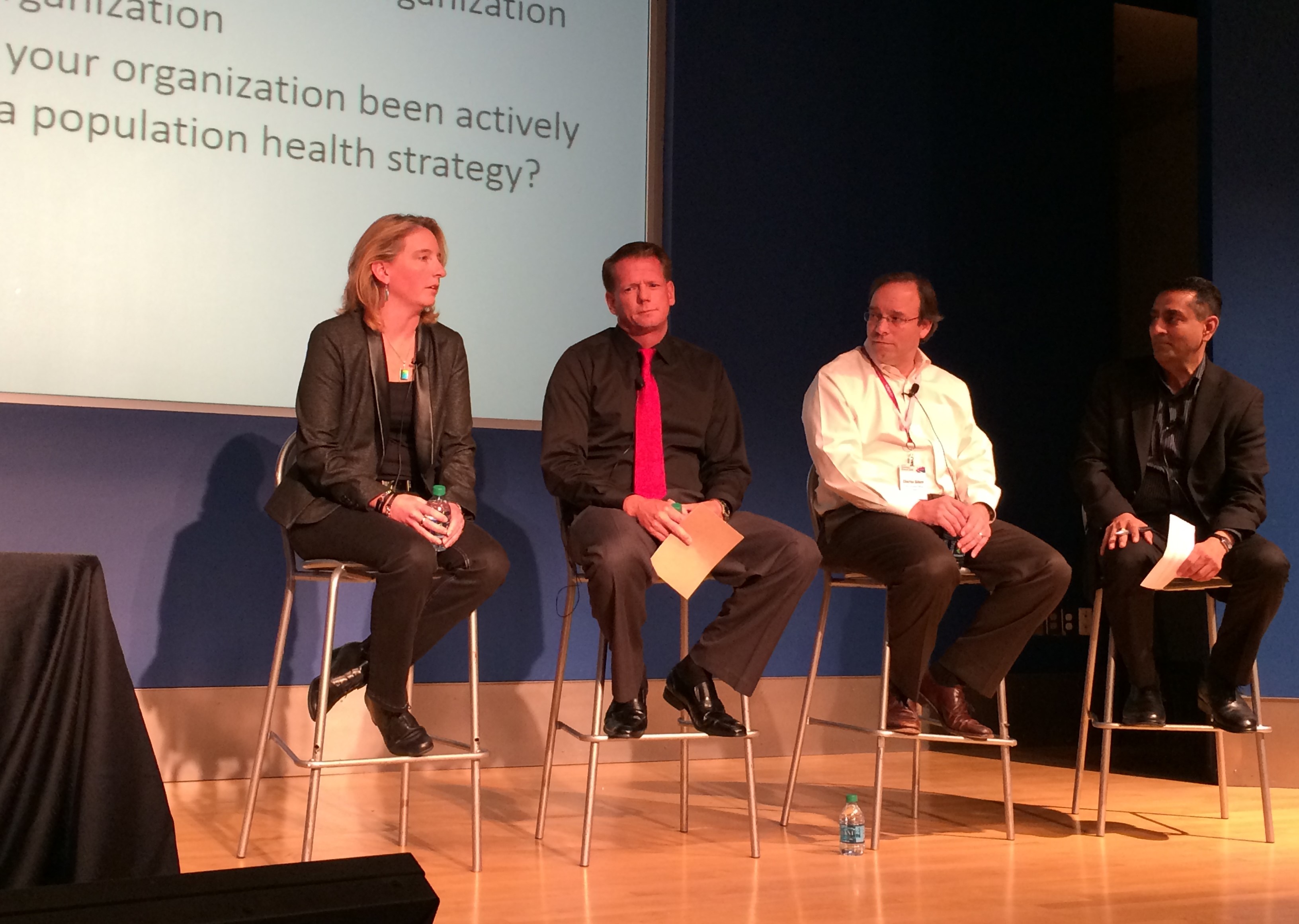
Panel

“Innovations in Population Health Management” Panelists

2014 Caradigm Customer Summit Day 2: There Are Many Paths to Population Health


Post by Christine Boyle


Senior Vice President of Marketing, Caradigm

On Day 1 of the Caradigm Customer Summit (CCS), we heard about the journey to Population Health Management, and the collaboration that’s needed.

On Day 2, we explored in greater depth the variety of paths that healthcare delivery organizations can take to begin that journey. Population Health is not one size fits all. You need to tailor your strategy to your organization’s particular goals and areas of strength.

We heard presenters at the summit describe different paths to Population Health Management:

  • A clinically integrated network, Rush Health, talked about how they formed their Population Health strategy in response to their rapidly expanding network and organizational belief in differentiating on quality.
  • An integrated delivery network (IDN) with a high throughput care management team needs to get more efficient in order to improve quality and manage an even larger case volume in the future.
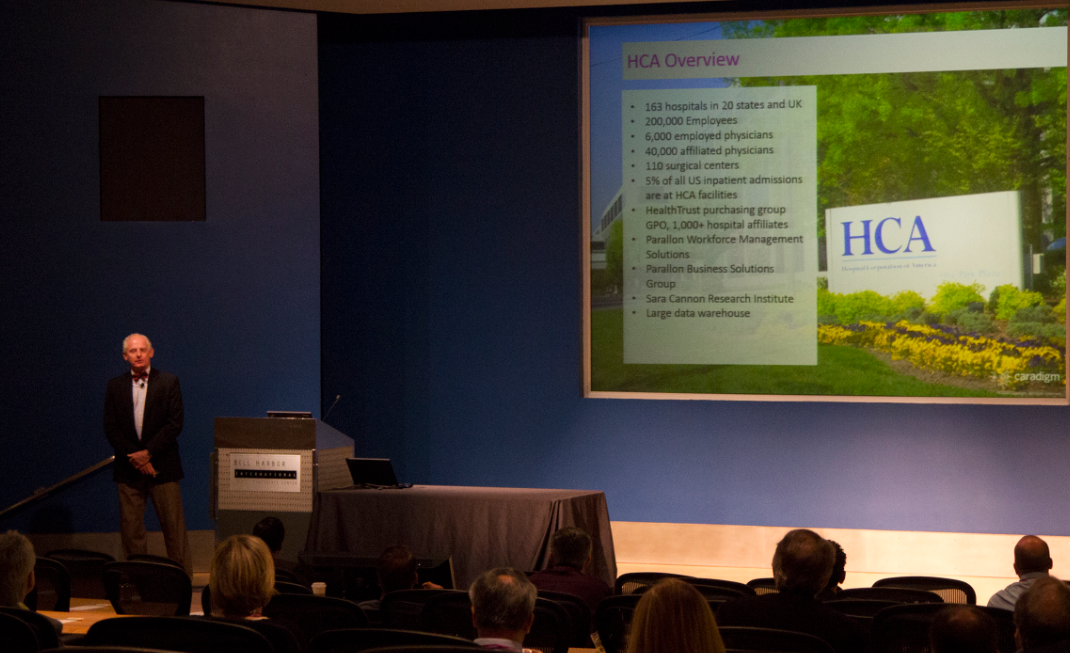
  • A multi-state organization, Healthcare Corporation of America, talked about the challenge of protecting immense amounts of data that needs to move frequently and yet still be easy to access for a growing network of clinicians.
  • An organization taking on risk for a population for the first time needs safeguards for overutilization.

These organizations share similar initiatives on their paths to Population Health. For instance, they have valuable data from a lot of different sources, but are looking for ways to get that data back into the EMR to help physicians at the point-of-care. In addition, many are considering a patient portal for Meaningful Use attestation, and are interested in new strategies that can actually work to modify patient behavior in a patient-centric model. Yesterday, we also heard about other specific initiatives such as data aggregation, readmissions management, predictive analytics, and quality improvement measures.

It’s no longer a question of whether you need a Population Health strategy, but rather which Population Health strategy will give your organization the best chance for success. The journey will vary from those who want to “dip their toe” into the population health waters to those who take a bigger plunge. Regardless, Caradigm has apps that can help your strategy succeed, show progress quickly and expand over time.

Day 2 of CCS was fantastic. Thank you to our fabulous roster of Day 2 guest speakers:

  • Hospital Corporation of America - Bobby Stokes, AVP Identity Management and Development Services
  • Rush Health - Theresa Burkhart, VP Data Management & Business Intelligence
  • Rush Health - Cynthia Jones, RN, MSN, MBA – Performance Improvement Nurse
  • Beacon Partners - Wendy Vincent, National Practice Director, Strategic Advisory Group
  • Elsevier Clinical Solutions – Dr. Peter Edelstein CMO
Bobby S

Bobby Stokes, AVP Identity Management and Development Services at Hospital Corporation of America

2014 Caradigm Customer Summit Day 1: Population Health Collaboration


Post by Christine Boyle


Senior Vice President of Marketing, Caradigm

Day 1 of the Caradigm Customer Summit is in the books and the message of the day was that population health management is about collaboration. Working together is critical for anyone looking to succeed in population health and transform healthcare. With 75 of the country’s leading healthcare delivery organizations in attendance, representing the care of 50 million patients, it was a remarkable group to collaborate with as presentations organically turned into discussions. Here are some highlights from the day.

Caradigm - Michael Simpson CEO Opening Keynote

“We’re on a journey together.”

Michael set the tone for the day and the summit by recognizing that population health is about collaboration. Healthcare organizations need to collaborate internally, with patients and with strategic technology partners. Population health technology partners need to collaborate not only with customers, but with other technology vendors in order to provide a complete, best-of-breed solution.

Billings Clinic - Chris Stevens CIO and Dr. Karen Cabell Associate Chief of Quality

“We picked Caradigm as a strategic partner, and that means something to us.” – Chris Stevens

It was great to hear the confidence in a collaboration partner from Billings Clinic, a recognized innovator in clinical quality, ranked number one in patient safety by Consumer Reports. Chris Stevens said that their organization found legacy systems like EMRs to be functionally immature for population health management. They could not provide a single source of truth and the data was constantly questioned. Dr. Cabell talked about how the Caradigm Quality Improvement application is helping get “actionable and manageable” data in front of employees so that they can focus on quality, drill down to identify opportunities for improvement and lead process improvement initiatives.

Geisinger Health Plans - Janet Tomcavage RN, MSN – SVP and Chief, Value-Based Care Strategic Initiatives

“If you’re the best performing, patients will come. Let’s see who can deliver.”

Janet spoke about Caradigm Care Management, an application that Geisinger helped shape in partnership with Caradigm. The app gives them the opportunity to infuse different types of data across the care continuum to fuel a care plan. Janet said care managers can’t help but appreciate how the app helps them deliver better care to patients faster and with less effort on their part. The app has been rolled out to Geisinger’s entire 160 person case management team.

Elsevier Clinical Solutions - Dr. Peter Edelstein CMO

“I entered healthcare because I wanted to provide quality.”

Dr. Edelstein said physicians need more than just data collection. Data collection by itself is not going to improve the quality of care. Physicians are open to partners who can guide them to drive better care. At the end of the day, better healthcare should cost less.

The agenda also featured Caradigm’s talented product managers going deeper into specific population health apps such as Risk Management, Quality Improvement, Readmissions Management and Identity and Access Management, as well as laying out the roadmap into the future. Day 2 will feature even more apps, and we will be exploring each of these in the coming weeks on the blog.

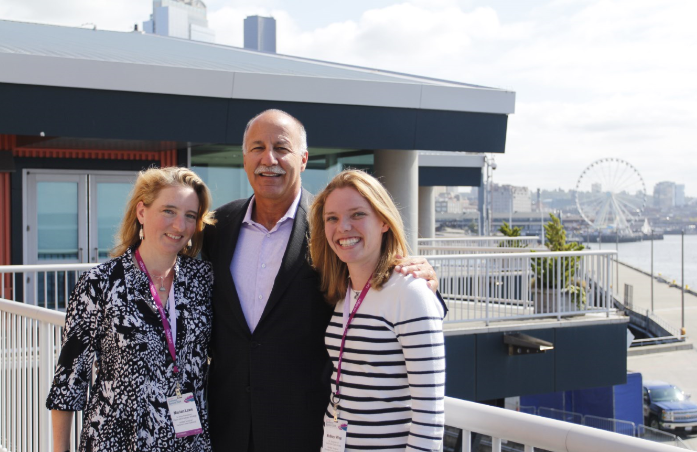
The evening event was held at the Olympic Sculpture Park on the Seattle waterfront. With a lovely sunset and a view of Puget Sound as the backdrop, a good time was had by all.

A giant thank you to our phenomenal guest speakers. We’ll see you back here tomorrow for a recap of Day 2!

CCS_sculpturepark

Evening Event at Olympic Sculpture Park

2014 Caradigm Customer Summit Opens


Post by Christine Boyle


Senior Vice President of Marketing, Caradigm

We are absolutely thrilled to kick off the 3rd annual Caradigm Customer Summit today in beautiful, sunny Seattle. Over one hundred leaders from the top healthcare delivery organizations in the country are gathering to discuss and share ideas on the biggest ideas in healthcare: Population Health and Identity and Access Management. Given the amount of change and risk that healthcare organizations face today, we hope the Summit will help attendees chart the best path forward based on peer experiences and best practices.

Population Health in particular will be top of mind as a new and dynamic force helping healthcare transform from fee-for-service to value-based care. We are proud to have customers sharing their experiences about their journey through population health and discussing the applications they are using today. To cap off each evening, we’ll be hosting special events taking place on the picturesque Seattle waterfront.

Stay tuned over the next few days as we post daily recaps from the Summit.

Senior Vice President of Sales Steve Shihadeh with some happy attendees

Observations from iHT² Atlanta


Post by Sameer Bade, MD


Vice President of Clinical Solutions, Caradigm

The 2014 iHT² Health IT Summit in Atlanta was a great opportunity to share / learn about the current state of population health management experiences from a number of amazing health systems and their leaders in the southeast US. Below are a few of my observations and take-aways:

Focused on delivering the Triple Aim, the participating organizations are managing risk in different ways (ranging from pay for performance, bundled payments, shared savings, ACO arrangements and capitated risk). Represented at the meeting were Integrated Delivery Networks, post-acute care organizations, telehealth service providers, the CDC, CMMS, and vendors providing various software, infrastructure, and consulting services supporting population health. Dr. Kevin Fickenscher’s keynote set the tone of the meeting, declaring ‘Profession-Centric’ (the ‘guild’) healthcare delivery is being replaced by a systems-centric approach to healthcare delivery. Clearly, a new era of multi-disciplinary teams managing the care and wellness of populations (‘Team-Based Care Continuum’) is emerging as a replacement.

Some key observations presented during the panels, talks, and group discussions reflect the increasing experience of healthcare organizations as they deliver on the objectives of the Triple Aim:

1. Analytics are necessary (gaps in care, prospective, predictive, risk, etc.), come from many different sources (several are external to the EMR), and need to be easily accessible. Some analytics are based on claims, others are purely based on clinical EMR data, and a few are emerging from combined data sets. Unfortunately, with all of these different sources, there is not a single analytical view of a patient. Furthermore, to access these analytics, providers and care managers have to examine multiple ‘lists’ from multiple different analytic and reporting tools. Health system leaders from Carilion, BayCare and Carolinas, all expressed a requirement that gaps in care, risk, and cost data need to be easily accessible by clinicians. Dr. Kristyn Greifer, VP of Population Health Management for WellStar, also observed that access to real time analytics are a necessary part of care delivery.

2. Patient Centered Medical Homes have been deployed to ensure the best care is being delivered to patients with single or multiple chronic diseases. However, there is an experience that the use of registry tools in conjunction with the EMR can lead to increased utilization without major changes in clinical outcomes. To achieve the necessary outcomes, health systems need to identify patients who need/can benefit from comprehensive plans of care coordinated by care managers. Carilion Clinic has invested extensively in EMR infrastructure, registries, an EDW, and multiple analytic tools. Dr. Stephen Morgan, Sr. Vice President and CMIO, shared their approach of investing in more care managers and the arduous task of crafting care plans within the EMR. An interesting discussion with the audience explored that pursuing population health activities can have a definite impact on hospital volumes and profitability. Clear challenges exist in the transition from fee for service to fee for value, but one thing is clear, Carilion Clinic is working to deliver on their Triple Aim oriented Vision 2017 of “We are committed to a Common Purpose of Better Patient Care, Better Community Health and Lower Cost.”

3. Traditional patient portals are good, but there is a need for deeper engagement. Groups of patients are wanting to understand their plan of care, message their providers, and participate in programs to monitor their chronic conditions. The adoption of “Blue Button” is increasing and there is a need for shared decision-making tools, patient reported outcomes, and access to specific types of analytics. These types of tools could help to increase patient engagement. Another key issue identified was ‘portal sprawl’ or ‘portal fatigue.’ Some health systems are now just saying ‘no’ to the portals that health plans wish to deploy as part of an ACO arrangement and prefer to stick with a single portal experience for their patients.

4. Health Information Exchanges are evolving. Some of the organizations are now in their second and third rounds of participating in health information exchanges. Baptist Pensacola is participating in a truly unique exchange with a local competitor, the military, the VA (opt-in), and a local Skilled Nursing Facility. The Baptist CIO, Steve Sorros, shared that the exchange is helping ambulatory clinics deliver more informed care to our uniformed personnel and veterans. Future business drivers to create sustainability for local exchanges will leverage the ‘last mile connectivity’ created as a result of this exchange (results delivery, sharing care plans within a clinically integrated network, payer participation for sharing data, alerts, etc.).

5. Telehealth – One provider of remote care services, the Global Partnership for Tele-health, provided more than 140,000 remote encounters last year (focused in Georgia and Alabama) and is anticipating that number to exceed 200,000 this year. That’s starting to approach the number of in-person ambulatory encounters seen by smaller health systems. Cleveland Clinic has integrated home monitoring devices with traditional care programs, and is considering further expansion using Microsoft HealthVault-connected devices. In a note of caution during his presentation on ‘big data,’ Dr. Ryan Uitti, Deputy Director of the Mayo Clinic Kern Center for the Science of Health Care Delivery, shared findings from a 2012 study of 205 elderly patients with multiple co-morbidities which showed “no difference in combined hospitalizations and ED visits between patients receiving tele-monitoring vs. usual care.”1 He also shared information on a new application Mayo has developed called “AWARE” to support active surveillance and situational awareness of critical care patients. The initial evaluation of the application indicates a decrease in cognitive overload for clinicians, a decrease in errors, and a decrease in the amount of time spent looking for data or performing tasks. These varied experiences indicate that additional technologies (and services) need to be applied to the right populations, at the right time, and with the right supporting clinical programs.

6. Retooling your People – West Georgia Health’s CIO, Sonya Christian, their CFO, Paul Perrotti, and Director of Nursing, Tracy Gynther, made one thing very clear: Their people (employees, nurses, and doctors) are their most important asset as they improve and evolve their services. Despite providing 85% of the care in their market, the health system is investing in re-tooling their staff, increasing staff participation, promoting new efficiencies through the application of lean production methods, a system-wide focus on patient safety and multi-disciplinary teams. Five years without a single Ventilator Acquired Pneumonia episode required a relentless multi-disciplinary collaboration between physicians, nurses, and respiratory therapists. As health systems prepare to embark on increasing population health activities, the engagement (and collaborative ownership) of all staff across multiple settings of care is required for success.

What has your organization done in these areas? Are you integrating external analytics into your EMR? What types of tools are you using for performing care coordination and care management? In future blog posts, we’ll explore each of these areas in more detail.

iHT2 Cropped

(1) Takahashi, Paul; Pecina, Jennifer; et al, “A Randomized Controlled Trial of Telemonitoring in Older Adults With Multiple Health Issues to Prevent Hospitalizations and Emergency Department Visits.” Arch Intern Med. 2012;172(10):773-779.


Leveraging Big Data in Healthcare


Post by Hamid Al-Azzawe


Vice President of Engineering, Caradigm

“Big Data” has become as prevalent a term as “EMR” and “HIE” in the healthcare industry. Is it the new technology that holds the promise to revolutionize healthcare? Should a CIO consider adopting it? What are the real benefits? What are some of the key factors to consider when reviewing the multitude of options available?

While carrying out the Monitoring and Diagnostics mission of the Microsoft Autopilot team, we had to process petabytes of data on a daily basis. Big Data was not science fiction; it was a fact of our daily lives. Our customers, and our own infrastructure team, demanded fast and efficient processing of huge amounts of data to facilitate operational, business, and engineering decisions critical to their success. Many of the insights gleaned from this data relied on Cosmos, Microsoft’s internal big data store.

In healthcare, as I outlined in my earlier blog and whitepaper, we are witnessing an explosion of digital data collected from cell phones, voice, images, notes, EMRs, HIEs, and even social media, coupled with an ever increasing number of medical devices that generate large amounts of healthcare tests and diagnostics data. Hospitals of all sizes are finding themselves overwhelmed with this growing data asset. As a result, this data asset may go unused or worse be purged periodically due to a lack of perceived value or the assumed complexity and cost of archival storage!

One way to tackle this data explosion problem is big data. So what is big data? Big data refers to the collection and management of very large data sets and storage facilities. Big data can offer solutions for data that is described as high in:

• Volume – the large amounts of data,
• Velocity – the speed of growth of data, and
• Variety – the mix of structured and unstructured data.

Some organizations also add Veracity, the quality of data, as a challenge because more often than not, data requires cleansing before use. Some of the key advantages of adopting big data stores in your IT infrastructure include:

• Cost & Reliability – Low cost archival storage of historical data that can be retrieved as new applications are developed. Low cost does not equate to low availability or complexity as most big data stores offer triple storage redundancy and a host of management and monitoring tools to track your data.

• Scalability & Elasticity – Big data is not just about storage; rather, it entails efficient data processing that can scale up or down based on your needs without requiring costly dedicated or upfront investment in expensive SAN (storage area network) or data processing servers in your data centers.

• Performance – Processing large amounts of data—whether it is structured, semi-structured, or unstructured,—requires a massive amount of storage bandwidth and a considerable amount of processing power. Most big data engines support distributed redundant storage and some form of MapReduce distributed processing job execution engine, delivering unprecedented performance that can scale up or down based on an organization’s changing needs.

• Flexibility – Multiple offerings exist today that emphasize one or more areas spanning performance, atomicity, read vs write, and data query flexibility based on an organization’s specific needs. These solutions range from publicly available open source libraries to more professional SaaS (software as a service) based commercial offerings.

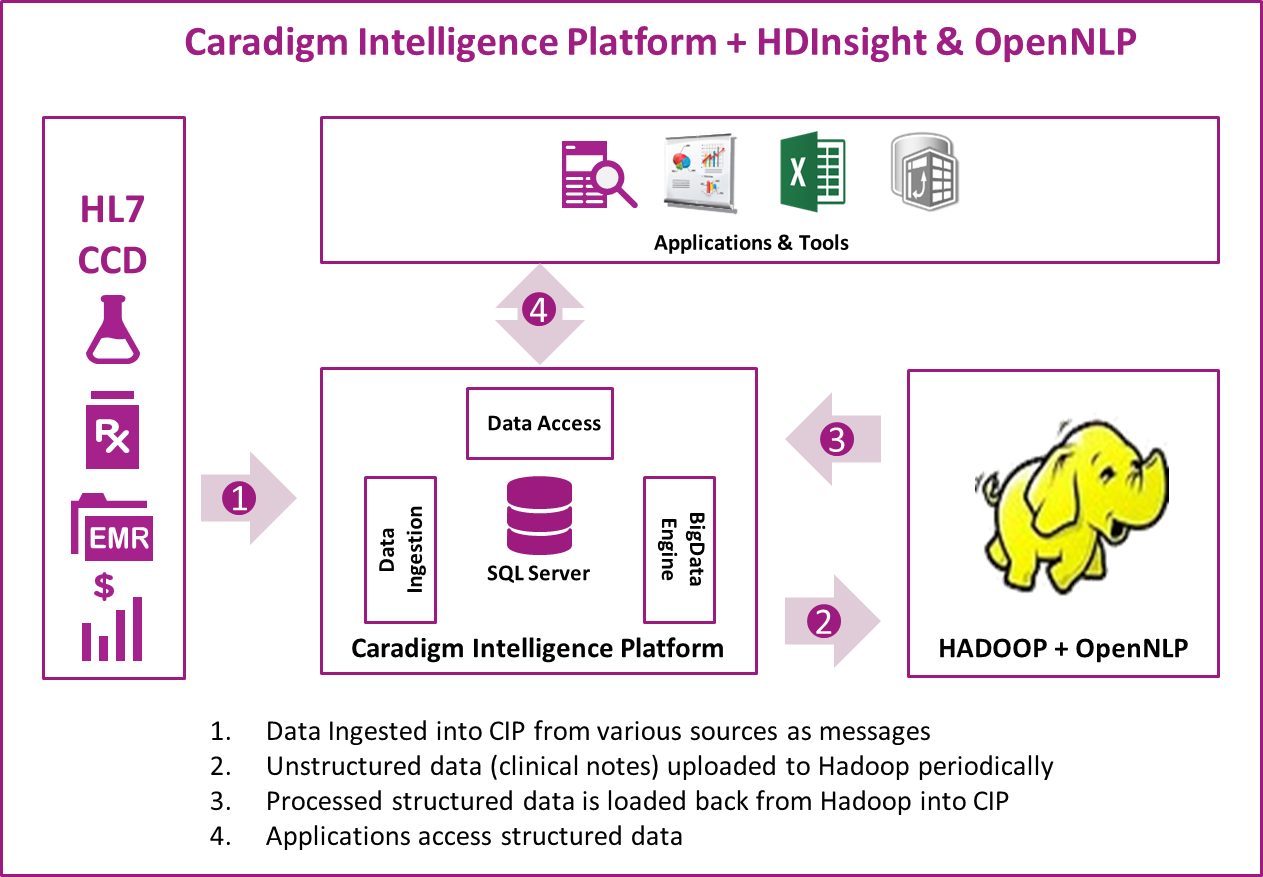
Caradigm was able to recently leverage Microsoft’s HDInsight, a service that deploys and provisions Apache Hadoop clusters in the cloud, to establish a software framework designed to manage, analyze, and report on big data – see the illustrative diagram below. Caradigm’s population health and analytics solutions, with the power of HDInsight and other complementary big data solutions, can now be configured to allow for archival storage, unstructured data queries using your choice of NLP (natural language processing), and data analytics capabilities that allow care managers to glean actionable insights from volumes of data.

Caradigm Intelligence Platform Diagram

Make no mistake, big data alone will not be sufficient to address all of the data storage and data management needs of healthcare organizations. Caradigm uses a hybrid model that enables us to augment our near real time transactional and analytics data store with a big data store to deliver the most value to healthcare IT, providers, and patients.

Simplicity – Too Often Missing in Health IT


Post by Ed Barthell, MD


Medical Director, Americas, Caradigm

(sim-plis-i-tee), noun - simplicity. The quality or condition of being easy to understand, deal with or use.

Simplicity relates to the burden which a thing puts on someone trying to explain or understand it. We hear again and again from health care workers that the information systems they are asked to use are not simple and present them with a great burden. For example, according to a recent Johns Hopkins study that closely followed first-year residents at Baltimore’s two large academic medical centers, medical interns spend just 12 percent of their time examining and talking with patients, and more than 40 percent of their time behind a computer.1

We hear the phrase KISS (keep it simple stupid) as a worthy goal. One of my favorite books on effective messaging is from the Heath brothers entitled “Made to Stick”.2 They propose the acronym SUCCESS and the first S stands for “Simple”. In order for messages to stick they must be simple.

So why is simplicity in health IT so hard to achieve? The simple answer is lots of reasons.

The healthcare domain is complex and rapidly changing, and many IT vendors try to solve many healthcare problems for many users at the same time. Committees that make purchase decisions tend to judge IT vendors on laundry lists of functionality and pretty colors rather than focusing on apps that solve common problems for specific groups of end users in a simple and elegant way. Health care is not unique, I’m writing this blog with the word processor application, Microsoft Word, that dominates the market. It contains tons of functionality that neither I (nor probably 99% of end users) take advantage of in our day to day use.

The concept of simplicity is one of our value statements at Caradigm. It underlies our commitment to an open platform plus applications approach. Ingest data from multiple source systems once, then allow that data to be used by multiple apps for multiple purposes. So apps can simply and elegantly solve problems for specific end user groups that are not well served by generic monolithic systems.

Simplicity in design allows apps to shield end users from complexity and enables providers to focus on what’s important. Specific examples? A surveillance app that automatically calculates a MEWS risk score in near real time on patients throughout a hospital, so that a simple numeric score triggers activation of the rapid response team. Another application that uses machine learning to generate a simple score to reflect likelihood of readmission, so a specific group of end users, in this case discharge planners, can prioritize the assignment of resources. An app that includes a rules engine to help guide care managers to focus on the most important of many tasks that need attention in a given day. The bottom line is health IT applications that are not a burden but instead make it simple for users to do their jobs well.

As our value statement explains, a simple solution is a beautiful thing. In a world of increasing complexity, we take joy in striving for and achieving simple excellence. This is a value we will continue to pursue with vigor.

  1. http://www.hopkinsmedicine.org/news/media/releases/doctors_in_training_spend_very_little_time_at_patient_bedside_study_finds
  2. Heath, Chip and Heath, Dan: Made to Stick: Why Some Ideas Survive and Others Die. Random House, 2007.

Healthcare in Developing Countries


Post by Wilson To, PHD


Product Manager, Caradigm

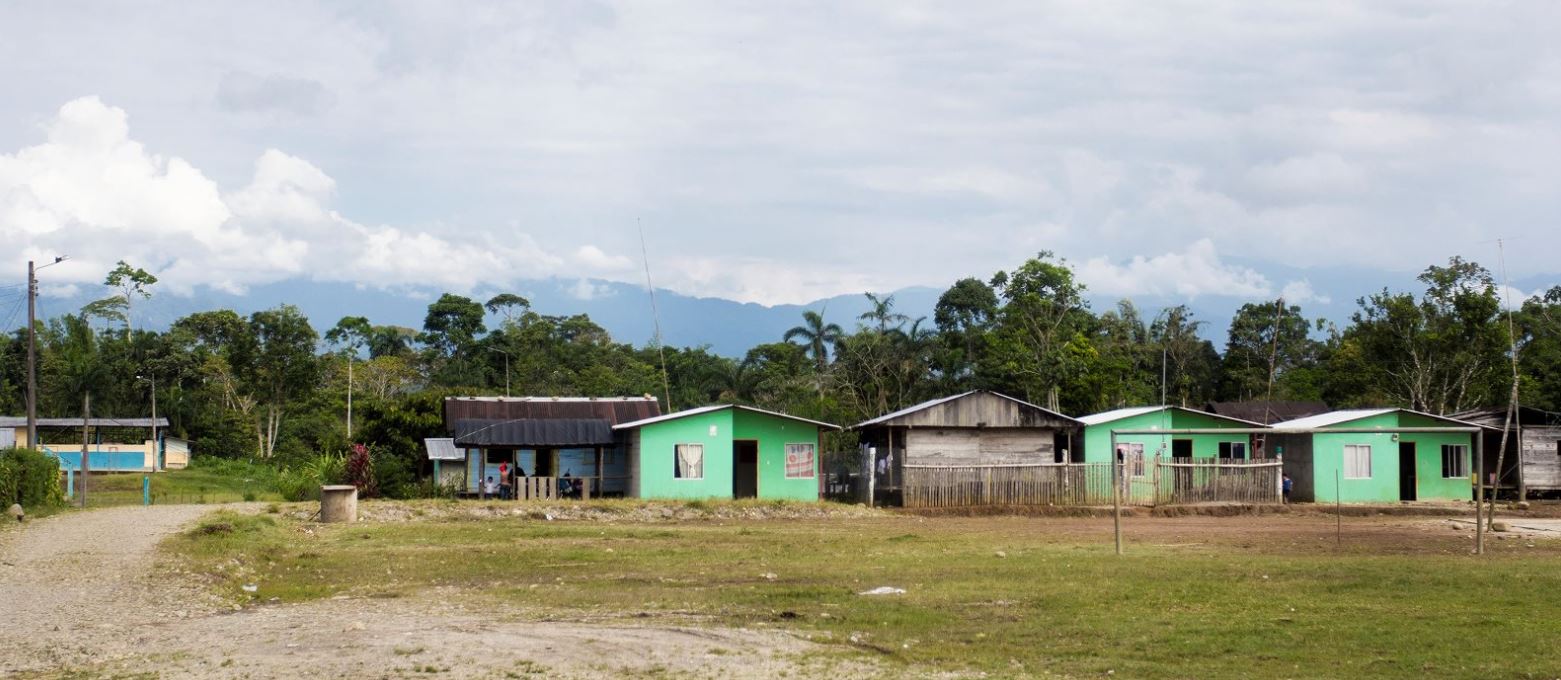
A small team from Caradigm, including myself, traveled to a number of small communities around Tena, Ecuador and volunteered our services and expertise to Timmy Global Health. The organization provides direct medical assistance and healthcare services to low-resource communities in the developing world through short-term medical brigades. The goal is to facilitate long-term capacity development and strengthen local health systems.

Last year, volunteers from Caradigm and Microsoft implemented a lightweight electronic health record system across the villages in the Amazon jungle. With a gasoline generator powering a system of networked laptops and wireless router, the team was able to maintain a clinic-wide solution that was used by every volunteer to capture data in electronic formats. From capturing medical history, vital signs, laboratory reports, scribed physician notes, treatment orders, and dispensing instructions – we’re expecting to continue using this tool to provide a completely integrated system to help view longitudinal patient records and improve care quality in the region.

All of the work we all do in the healthcare industry – whether developing population health management systems or providing quality clinical care to patients – ultimately provides a foundation towards improving global health. Much of the same science and best practices that we have in the United States can be modified and applied to low resource communities – a strategy that has yielded great progress in advancing the global health agenda. We have reduced healthcare inequities, reduced child mortality, and eradicated diseases. However, there are still a number of challenges and opportunities to improve the efficiencies in our systems. This adventure helped me understand a different side of healthcare and a better perspective as to what sort of disparities continue to exist today.

I’ll be providing a recap of the trip in a future post, so stay tuned!

Tena